
A New Public Life?
The way we move about and use public spaces is always changing. One of the most visible shifts in public life happened in the 1960s, when cars entered and dominated our streets. The pace of life accelerated and the distance between people increased. This process was later studied by prominent urbanists like Jan Gehl, Jane Jacobs, and William H. Whyte, giving us a vital understanding of how major systemic changes impact our daily interactions and social fabric. Today, a new phenomenon dominates our public spaces: technology. Smartphones, wireless headphones, online navigation, geotagging, and other digital layers have entered not only our lives but also quietly rewritten the way we use our public spaces. As a result, we are faced with a new set of questions.
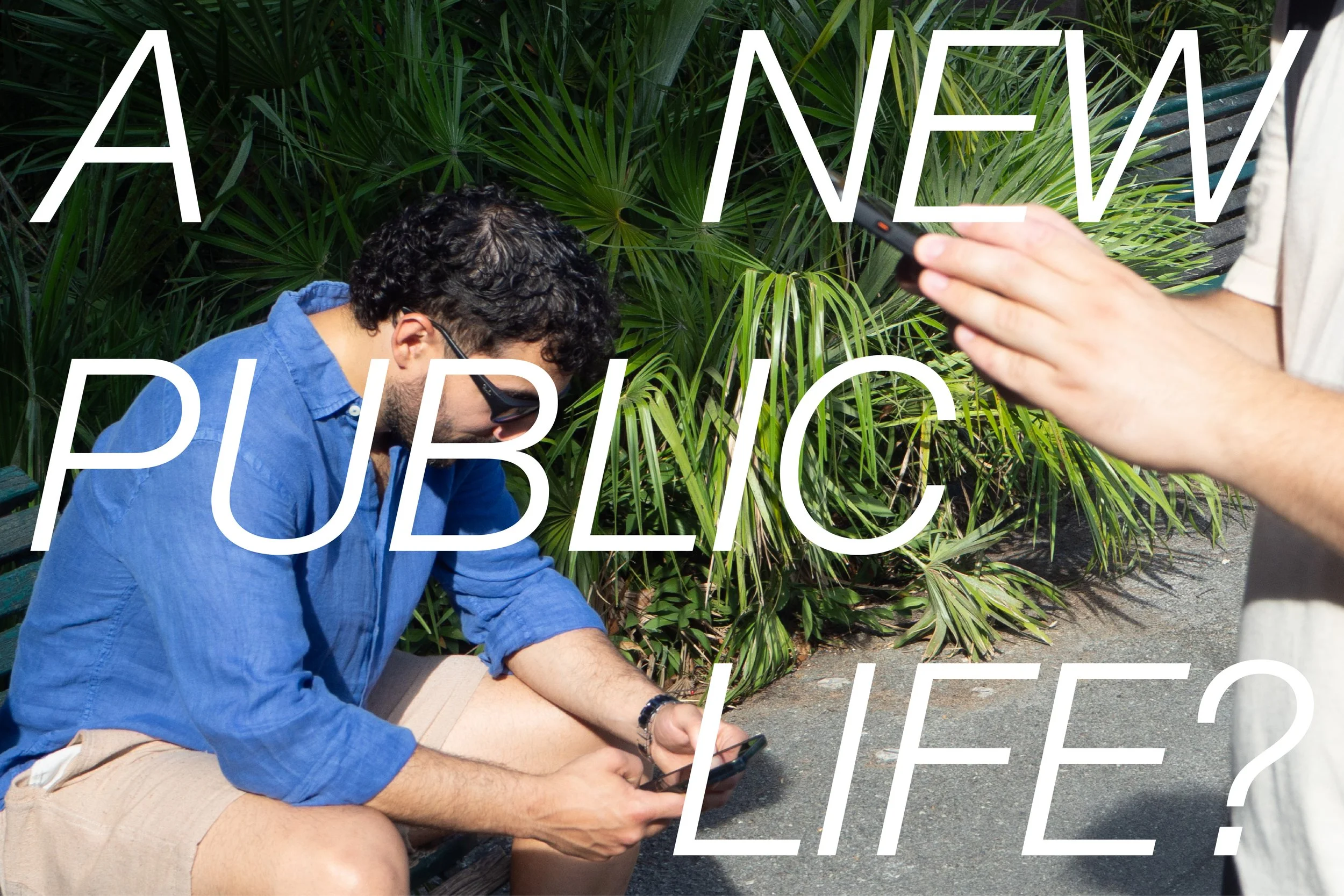
How much is this shift affecting our public life? Are we really present in a place if we are interacting with a screen? How do we move about while guided by an app, compared to a map or spontaneous exploration? How do we perceive a space, while looking at it directly versus through a lens of a camera? And, potentially more importantly, how do others feel around someone who is physically there but attentionally elsewhere?
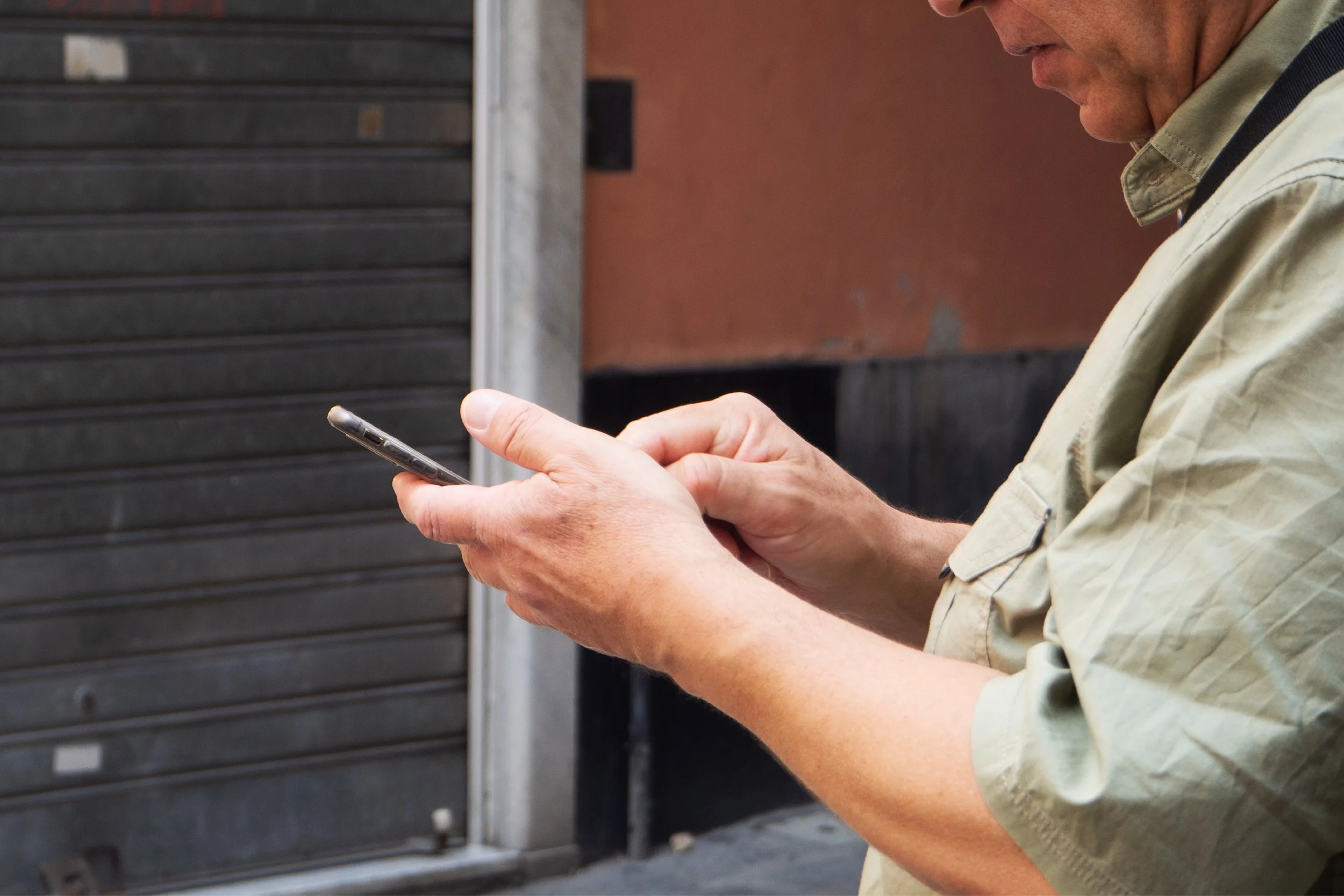
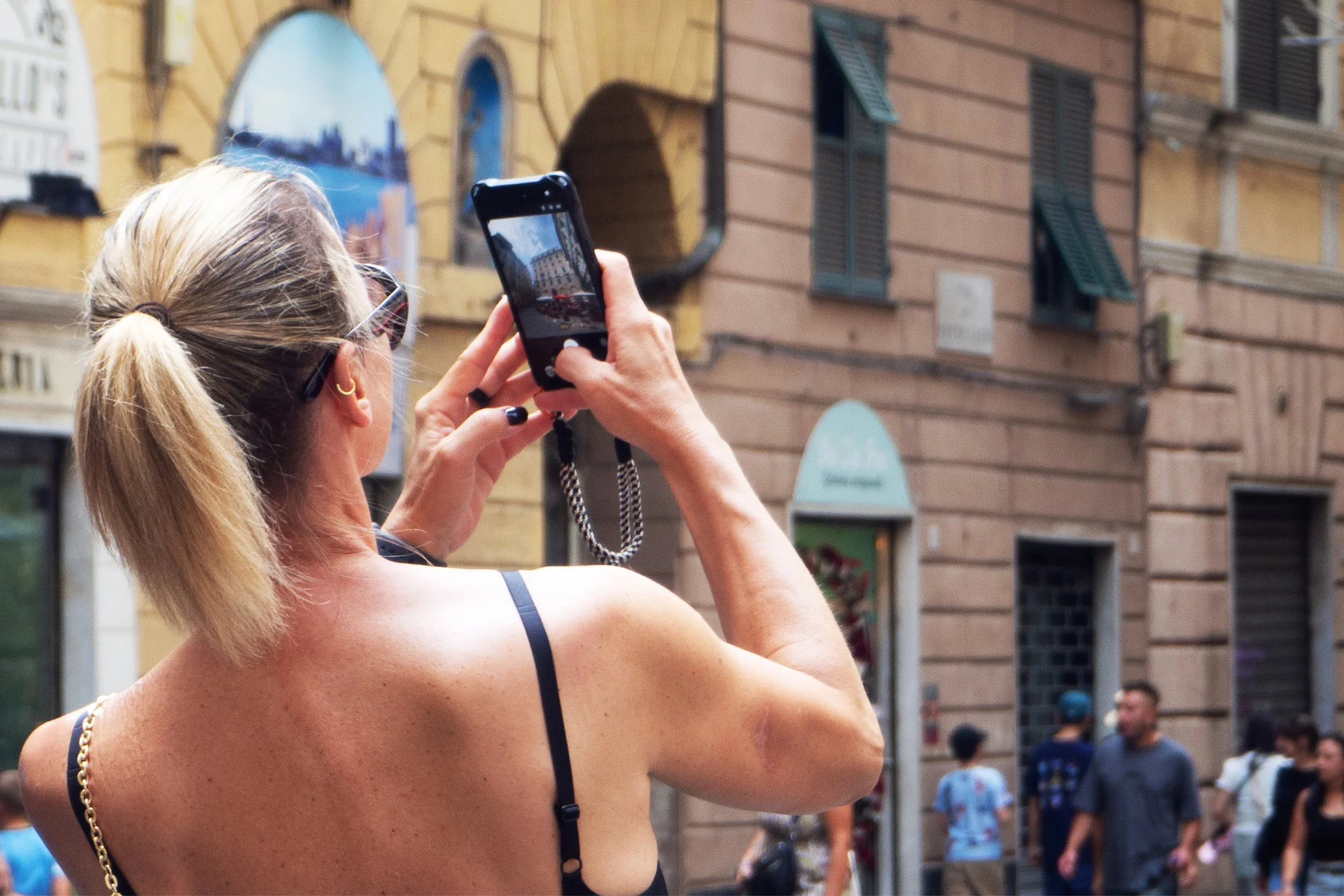
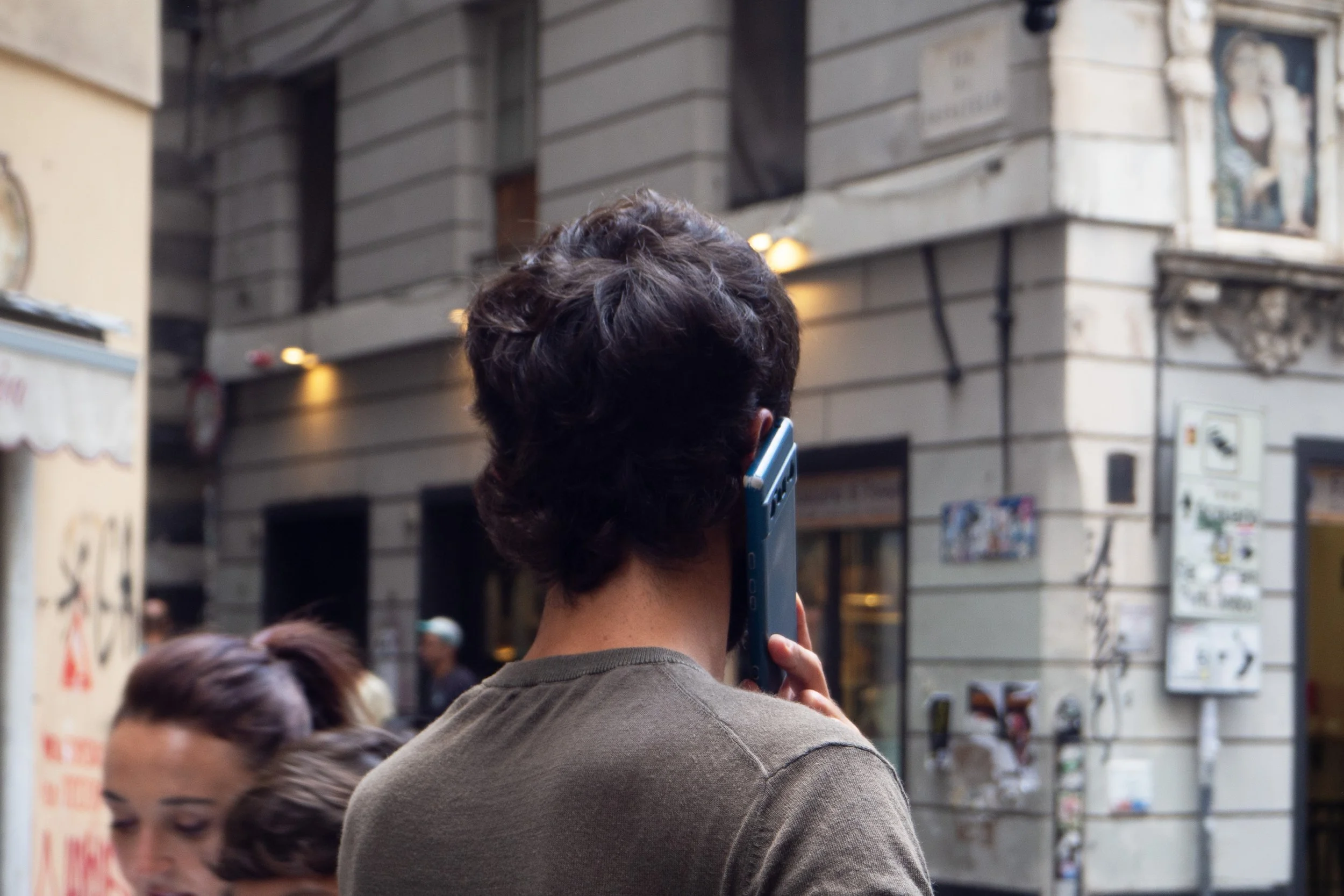
To capture, measure, and analyze these shifts, this project proposes a comparative public life study set against the current digital transition. Focused on selected public spaces across Denmark and Italy, the project will document the reality of this shift through empirical and visual methods, set against two different cultural, political and geographic backgrounds.